Cool Rubber Duck Embroidery Design Review
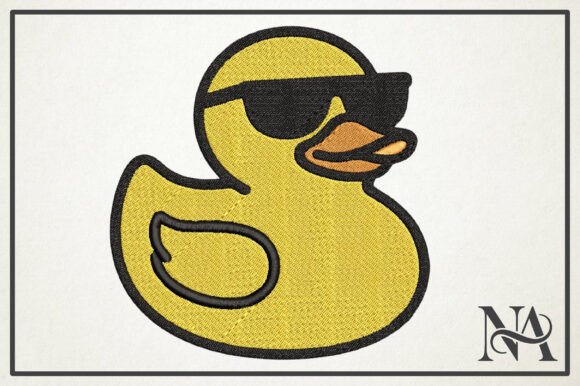
As an experienced embroidery designer preparing for a busy weekend craft fair, I spend hours evaluating new machine embroidery design files to ensure they will translate into high-quality handmade products. Today, I am reviewing the Cool Rubber Duck Embroidery Design, a file that promises a vibrant and detailed character. The description highlights a yellow duck rocking stylish sunglasses, which immediately suggests a fun, modern aesthetic perfect for summer markets and boutique gift shops. My goal is to determine if this design has the punch needed to stop shoppers in their tracks and convert browsers into buyers.
First Impressions: Bold, Cute, and Market-Ready
The moment you look at the title and description of the Cool Rubber Duck Embroidery Design, the vibe is unmistakable. It feels less like traditional farmhouse decor and more like a playful, contemporary statement piece. The inclusion of "sunglasses" transforms a standard animal motif into a character with personality. For a craft fair booth, this distinction is vital. Shoppers are often overwhelmed by generic patterns; a design that implies a story or a mood sells faster. This file appears to be bold and cute, leaning heavily into the "cool" factor rather than being overly rustic or soft. It strikes a balance between decorative and premium, making it ideal for Etsy sellers looking to add a touch of whimsy to their digital or physical inventory.
Product Potential: Where Does This Design Shine?
In my experience, the success of a digital embroidery file depends entirely on the canvas it is applied to. When visualizing the Cool Rubber Duck Embroidery Design on a table display, several product categories stand out as immediate winners.
- Tote Bags: A large, centered placement on a canvas tote bag would make this a standout tote bag design. The bright yellow of the duck against neutral fabric creates high contrast, ensuring the finished product looks crisp from across the aisle.
- Kitchen Linens: This design fits perfectly as an apron embroidery or tea towel embroidery project. The theme aligns with bath time or poolside relaxation, making it a seasonal favorite for spring and summer fairs. On a textured tea towel, the detail of the sunglasses adds a nice focal point without overwhelming the fabric.
- Accessories: For smaller items, the design works beautifully as an embroidered patch or on fabric pouches. These small small shop product ideas are often impulse buys, and a cool, quirky character makes them irresistible to children and adults alike.
- Home Decor: Pillow covers featuring this duck could serve as a unique accent piece. However, the density of the design must be considered here to ensure it lays flat and doesn't create a stiff, uncomfortable pillow.
Selling Strategy and Visual Appeal
When setting up a booth, the ability to photograph your goods is just as important as the stitching itself. The Cool Rubber Duck Embroidery Design is inherently photogenic. The combination of yellow and the dark lenses of the sunglasses offers excellent color separation, which translates well in printable mockups for online listings. Customers scrolling through Instagram or Etsy want to see clear details; this design's "vibrant and detailed" nature ensures that even a quick glance reveals quality.
For commercial embroidery businesses, repeatability is key. If this design can be easily placed on multiple SKUs—from caps to market bags—it becomes a versatile asset. The character's expression is likely consistent enough to build a brand identity around "Cool Ducks," allowing for a cohesive collection. However, it is crucial to remember that while the design is detailed, its clarity relies on proper execution. A stitch density that is too low might lose the definition of the sunglasses, while one that is too high could distort the shape of the duck on thinner fabrics.
Practical Production Notes and Challenges
Before committing to a bulk run for a craft fair, there are technical hurdles to address. The description mentions "vibrant and detailed," which often signals a higher stitch count. In a real-world scenario, dense stitch areas can sometimes cause puckering, especially on lightweight cotton or jersey blends used for caps and pillow covers.
One critical area to watch is the tiny details, such as the pupils in the sunglasses or the texture of the feathers. If the design is scaled down too much for a small pouch or a hat front, these details may blur together. Similarly, working on curved surfaces like caps requires careful hooping and potentially a stabilizer that provides extra support to prevent the stitches from pulling the fabric. Dark fabric presents another challenge; unless the design includes a heavy underlay or white background elements, the yellow thread might not pop as intended against a navy or black shirt.
Textured towels can also be tricky. While the rough surface of a terry cloth towel adds character, it can hide fine details. I recommend testing the design on a scrap of the actual fabric you plan to sell to ensure the thread colors remain distinct and the image retains its sharpness.
Essential Designer Checklist for Success
To ensure the Cool Rubber Duck Embroidery Design delivers a professional result, follow these practical steps before hitting the production line:
- Test on Scrap Fabric: Always run a test stitch-out on the same material you intend to use for your final products. This reveals how the fabric reacts to the tension and density.
- Check Thread Contrast: Ensure the yellow thread stands out clearly against your chosen background. Sometimes a slightly different shade of yellow or adding a contrasting outline can improve visibility.
- Review Spacing and Hoop Size: Confirm that the design fits within your intended hoop size without cutting off any essential elements. Proper spacing prevents crowding and allows the design to breathe.
- Inspect Stitch Density: Look closely at the rendered preview or test run. Are there areas where the stitches are too thick? Adjusting the density settings can save you from ruined garments.
- Select the Right Stabilizer: Use a cut-away or tear-away stabilizer appropriate for the fabric weight. For items like aprons or tote bags, a medium-weight stabilizer usually provides the best balance of support and drape.
- Create Real Mockups: Don't rely solely on digital images. Create at least one real sample to photograph for your Etsy listing or social media. Authentic photos build trust with buyers.
- Confirm Commercial Licensing: Before selling finished goods, double-check the license terms included with the embroidery file. Some designs allow commercial use, while others do not.
Final Verdict for Craft Fair Sellers
The Cool Rubber Duck Embroidery Design has all the makings of a best-seller for the upcoming season. Its blend of cuteness and style appeals to a wide demographic, from parents buying gifts to young adults seeking trendy accessories. By focusing on products like tote bags, aprons, and patches, and by paying close attention to technical details like hoop size and fabric texture, you can turn this digital asset into a profitable revenue stream. Whether you are a seasoned digital seller or a creative entrepreneur just starting out, this design offers a fantastic opportunity to showcase your craftsmanship. Just remember: the magic lies not just in the design file, but in the care you take during the production process to bring that cool rubber duck to life.