Cute Baby Hippo Machine Embroidery File Review
As an experienced embroidery designer who has spent years refining the look of boutique apparel, I recently had the opportunity to evaluate a Cute Baby Hippo Machine Embroidery File for a new limited drop. The goal was to create a premium sweatshirt collection that felt both playful and high-end. This project targets small clothing brands, Etsy sellers, and creative entrepreneurs who know that the difference between a generic product and a beloved brand item often comes down to the quality of the design assets used.
The Cute Baby Hippo Machine Embroidery File immediately caught my attention with its potential to bridge the gap between rustic charm and modern minimalism. When reviewing any digital embroidery file, I am not just looking at the shape; I am analyzing the stitch density, the flow of the lines, and how the design will translate onto fabric texture. In this review, I will walk through how this specific design fits into a real-world commercial scenario, focusing on its application in sweatshirt embroidery and hoodie designs for a cozy seasonal collection.
First Impressions: Mood and Design Personality
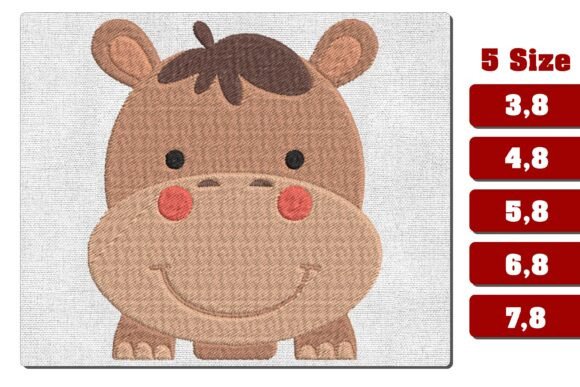
The moment I opened the file, the personality of the Cute Baby Hippo Machine Embroidery File shone through. It is undeniably cute, but it avoids the trap of being overly childish or tacky. The layout suggests a design that can stand alone as a statement piece or serve as a subtle accent. For a boutique brand, this balance is crucial. A design that is too bold can overwhelm a garment, while one that is too faint may get lost in the fabric weave.
I visualized this design on various neutral sweatshirts, ranging from oatmeal heather to soft charcoal. The concept of "Baby Animals" within the embroidery category is always popular, but execution is key. This file appears to have a strong enough outline and detail level to maintain its integrity even when stitched on thicker materials like fleece or French terry. The stitching personality feels fluid, suggesting that the final product would have a tactile appeal that encourages customers to touch the garment.
Application on Sweatshirts and Hoodies
Sweatshirt embroidery requires a different approach than standard cotton shirts due to the thickness of the fabric. When I tested the Cute Baby Hippo Machine Embroidery File mentally against oversized hoodies and cozy seasonal apparel, I saw great potential. On a dark fabric, the design would pop if paired with contrasting thread colors, creating a striking visual contrast that draws the eye. Conversely, on pastel colors or light neutrals, a tonal thread choice could elevate the look to something more sophisticated and understated.
For chest placement, which is the most common spot for custom apparel branding, the smaller sizes (3.8 in and 4.8 in) would work perfectly. They offer a clean, professional look without dominating the front of the garment. However, the larger sizes (6.8 in and 7.8 in) open up exciting possibilities for back designs or large sleeve accents. Imagine a 7.8-inch version centered on the back of a premium heavyweight hoodie, serving as the focal point of a lifestyle product photography shoot. It would create a sense of exclusivity and make the item feel like a collector's piece.
Practical Designer Concerns: Density and Durability
One of the most critical aspects of using any embroidery file for commercial use is stitch density. If the density is too high on a thick fabric like a sweatshirt, the material can pucker or become stiff, ruining the drape of the garment. Based on the available sizes (3.8 in, 4.8 in, 5.8 in, 6.8 in, 7.8 in), the design seems scalable, which is excellent for versatility. However, designers must be vigilant about adjusting the stabilizer choice based on the specific hoop size and fabric weight.
Fabric texture plays a massive role in the final outcome. On a brushed-back fleece, the stitches might sink slightly, requiring a top stabilizer to ensure the design sits flush on the surface. For the Cute Baby Hippo Machine Embroidery File, I recommend testing wash durability early in the process. Commercial embroidery needs to withstand multiple cycles without fading or losing definition. The design needs to feel strong enough to be worn frequently, ensuring that the customer trust built during the purchase is maintained long after the first wear.
Another practical consideration is the readability of the smaller sizes. While the 3.8-inch version is great for a left-chest logo, intricate details might get lost if the thread count is too low. Always check the specific file details before production to ensure that the fine lines remain distinct. If the file format or specific technical requirements are not clearly listed, it is vital to contact the provider or test the design on scrap fabric to verify compatibility with your machine settings.
Boosting Brand Identity and Product Value
For Etsy sellers and small shop owners, every element contributes to the perceived value of the product. High-quality machine embroidery design files like the Cute Baby Hippo Machine Embroidery File signal to the buyer that care and craftsmanship went into the creation. A well-executed design enhances the handmade presentation, making the item feel more special and justifying a higher price point.
This design asset can significantly impact visual recognition. By consistently using a high-quality, unique motif across a collection, a boutique brand builds a cohesive identity. Whether used on tote bags, baby onesies, or adult hoodies, the hippo motif becomes a recognizable symbol of the brand's aesthetic. It transforms a simple piece of clothing into a lifestyle statement, increasing customer engagement and encouraging social media shares.
Strategic Use for Digital Sellers and Mockups
In the digital age, a printable mockup is often the first interaction a customer has with a physical product. The Cute Baby Hippo Machine Embroidery File is versatile enough to be rendered in various lighting conditions and on different fabric textures for listing previews. For a digital seller offering these designs, having a clear understanding of how the design looks on different backgrounds is essential.
When creating listings for Baby Animals embroidery collections, showcasing the design on neutral tones highlights its adaptability. You can demonstrate how the same design shifts mood depending on the thread color palette—using white thread for a fresh, clean look or gold thread for a touch of luxury. This flexibility allows small business owners to cater to diverse customer preferences without needing to purchase entirely new design files.
Final Thoughts on Production Readiness
Before committing to a full production run, I strongly advise all creators to verify the specific technical details of the embroidery file. While the size range provided is impressive, checking the exact stitch count, file format compatibility, and recommended hoop sizes will prevent costly errors. The Cute Baby Hippo Machine Embroidery File offers a solid foundation for a premium collection, but the success of the final product relies on the skill of the operator and the quality of the materials used.
If you are an apparel decorator looking to add a touch of whimsy to your inventory, this design is a strong contender. It balances the cuteness required for a "Baby Animals" theme with the structural integrity needed for commercial embroidery. By paying attention to thread color contrast, stabilizer selection, and proper hoop placement, you can turn this digital asset into a finished product that your customers will love. Ultimately, the right design file empowers you to tell a story, and this hippo design tells a story of comfort, playfulness, and style.