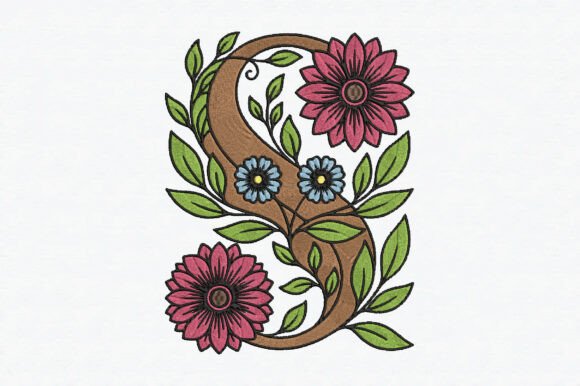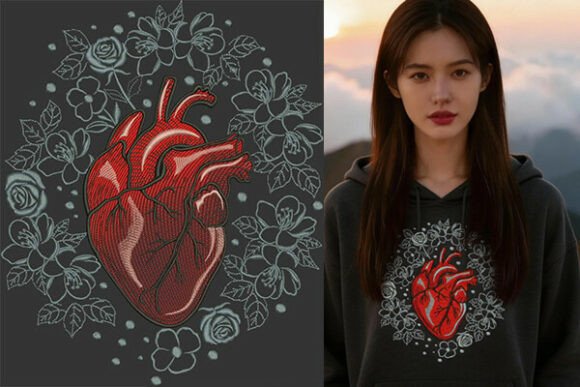
Heart and Floral Embroidery Review for Small Business
As an experienced embroidery designer who has spent years refining designs for commercial use, I often receive requests to evaluate new assets before they are released to the market. Today, I am reviewing a design titled Heart and Floral Embroidery. This piece claims to be fun, easy to stitch, and elegant enough for any fabric. For small business owners, Etsy sellers, and apparel decorators, the question is not just whether it looks pretty, but whether it functions as a viable asset for branded merchandise. After analyzing the concept of this design, here is my professional assessment on how it fits into the world of custom apparel and product branding.
First Impressions: A Blend of Playful and Premium
The title Heart and Floral Embroidery immediately suggests a specific aesthetic direction. In the current landscape of handmade products and boutique branding, there is a high demand for designs that balance professionalism with a touch of whimsy. Based on the description provided, this machine embroidery design appears to strike a chord between being "fun" and "elegant." This duality is crucial for small business merch. A logo that is too rigid can feel corporate, while one that is too playful might lack authority.
For a florist, a bakery, or a creative studio, this design offers a visual personality that feels welcoming yet refined. The inclusion of both a heart motif and floral elements allows for versatility. It can serve as a primary brand mark or a subtle accent. When I look at the potential for this digital embroidery file, I see it working exceptionally well for brands that want to communicate warmth and care. Whether you are creating a gift set for customers or a uniform for staff, the design promises to add a layer of visual interest that elevates the finished product.
Real-World Application in Commercial Projects
The true test of any embroidery design lies in its application across various mediums. Let us imagine a scenario where a local boutique or a handmade shop wants to launch a line of branded goods. How does Heart and Floral Embroidery perform in these real-world scenarios?
- Embroidered Patches: One of the most popular uses for this type of design is creating sew-on patches. If the stitch density is managed correctly, this design can form a durable badge for denim jackets, tote bags, or backpacks. It serves as a perfect "stamp" of authenticity for handmade product lines.
- Staff Uniforms and Aprons: For cafes, bakeries, or salons, branding on uniforms builds team identity. Placing this design on the chest of a work shirt or the bib of an apron adds a personal touch that customers appreciate. It transforms a standard uniform into a branded experience.
- Cap Embroidery: Curved surfaces like caps require careful consideration. However, if the design is simplified slightly, it could make a charming front-center logo or a side detail on a baseball cap.
- Tote Bag Design: Canvas totes are a staple of small business marketing. Stitching this design onto a canvas bag creates a reusable promotional item that customers will actually use, extending your brand's reach beyond the point of sale.
- Product Packaging Accents: Beyond clothing, this design can be used on product labels or tags attached to jewelry, candles, or baked goods. It signals quality and attention to detail.
In the context of Beauty and lifestyle brands, this design aligns perfectly with trends that favor organic, handcrafted aesthetics. It reinforces the idea that the items inside the packaging were made with love.
Where Caution is Required
While the potential is high, an experienced designer must also identify the limitations. Not every surface is suitable for every design. There are specific areas where Heart and Floral Embroidery requires careful handling to ensure a professional finish.
If you plan to use this design for a very small patch size, you must verify the level of detail. Tiny stitches can merge together on small scales, causing the heart or petals to lose definition. Similarly, when applying this to curved surfaces like the front of a cap, the distortion of the fabric can alter the shape of the flowers. High stitch density is another factor; if the design is too dense, it may cause puckering on lightweight fabrics like t-shirts or thin cotton blends.
Fabric texture plays a significant role as well. While the description states it works on "any fabric," dark uniforms present a challenge. Light-colored threads may get lost against dark backgrounds unless underlay and cover stitch techniques are optimized. Additionally, items that undergo frequent industrial washing, such as heavy-duty work shirts, require robust stitching to prevent the design from fraying or losing its shape over time.
Impact on Brand Identity and Customer Trust
In the world of small business, visual consistency is key to building trust. Customers associate high-quality embroidery with premium value. When a customer sees a crisp, well-executed embroidered patch or a neat logo on a tote bag, it subconsciously tells them that the business cares about details. This perception directly influences buyer engagement and repeat purchases.
Using a design like Heart and Floral Embroidery can humanize a brand. In an era of mass-produced goods, the "handmade" presentation offered by embroidery stands out. It suggests that the product was created with intention. For an Etsy seller or a craft business, this design asset can help differentiate their offerings from generic competitors. It adds a layer of sophistication that can justify a higher price point for custom apparel and accessories.
Practical Designer Notes for Production
Before you commit to a large production run using this digital embroidery file, there are several technical steps you must take. These notes are essential for avoiding costly mistakes and ensuring the final product meets your standards.
- Test in Black and White First: Convert the design to grayscale to check the contrast. Ensure that the light and dark elements of the heart and floral pattern remain distinct without relying on thread color alone.
- Check Small Patch Sizes: Create a mockup of the design at your intended patch dimensions. Zoom in to ensure no details disappear when scaled down.
- Review Thread Color Contrast: Select thread colors that pop against your target fabric. Avoid colors that blend too closely with the material, which can make the design look muddy.
- Inspect Spacing and Hoop Size: Confirm that the design fits within your standard hoop sizes. Uneven spacing can lead to registration errors during stitching.
- Test on Real Fabric: Do not rely solely on screen previews. Stitch the design on the actual fabric you intend to use. This reveals issues with tension, stabilizer needs, and fabric texture interaction.
- Use Proper Stabilizer: The choice of stabilizer (cut-away, tear-away, or wash-away) is critical for maintaining the integrity of the design, especially on stretchy materials like t-shirts.
- Create a Printable Mockup: Before sending files to a manufacturer or starting a bulk order, generate a printable mockup for client approval. This helps visualize the final product and prevents misunderstandings.
- Compare Against Other Assets: Place this design next to your existing brand elements. Does it fit the overall style guide? Is the font weight and line thickness consistent?
- Confirm Commercial Licensing: Finally, ensure you have the correct commercial license to use this design on items you intend to sell. Verify the terms regarding the number of units produced.
If the exact stitch count, file format, or recommended hoop size are not explicitly listed in your product documentation, you must contact the creator or consult the file properties before beginning production. Guessing these technical details can lead to ruined fabric and wasted time.
Final Thoughts on Versatility
Heart and Floral Embroidery represents a strong candidate for small business merch creators looking to add a touch of elegance to their product line. Its ability to transition from a decorative element on home decor to a functional brand mark on a cap makes it a versatile tool in the designer's arsenal. By following proper testing protocols and understanding the limitations of stitch density and fabric texture, you can leverage this design to enhance your brand identity and deliver a superior finished product.
Whether you are decorating pillowcases, creating event merch, or launching a new line of custom apparel, taking the time to evaluate the design ensures that your investment pays off in the form of happy customers and a cohesive brand image. Always remember that the best embroidery is not just about the design itself, but how it is executed on the final garment.