Lucky Era Embroidery Design Review
I recently sat down to evaluate the Lucky Era embroidery design with a very specific goal in mind: preparing my inventory for an upcoming weekend craft fair. As someone who has spent years refining digital assets for commercial use, I know that a design's potential isn't just about how it looks on a screen. It is about how it translates into a tangible handmade product that stops a passerby in their tracks. When you are standing behind a booth filled with tote bags, aprons, and kitchen towels, every stitch counts toward your sales.
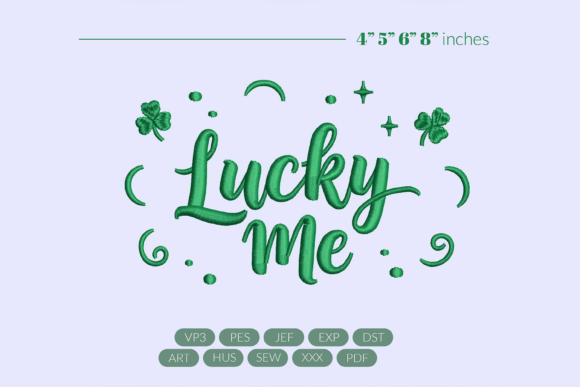
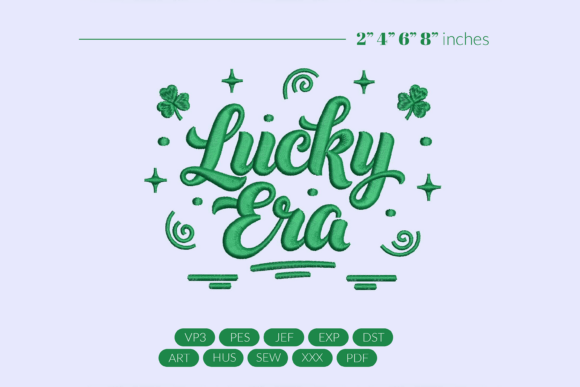
The description promises a stylish festive touch with elegant script lettering enhanced by decorative swirls and clover accents. My first impression of Lucky Era Embroidery Design is one of refined charm rather than loud novelty. In a sea of cheesy leprechaun hats and cartoonish green graphics, this piece feels premium. The combination of script and decorative elements suggests a farmhouse or modern rustic aesthetic that appeals to buyers looking for something sophisticated yet seasonal. It feels like a design that elevates a simple item into a giftable luxury.
Visual Appeal and Market Fit
When I imagine placing Lucky Era embroidery design on a table display, I see immediate visual interest. The elegant script lettering serves as a strong focal point, while the clover accents add just enough texture to catch the light without overwhelming the eye. For an Etsy seller or a boutique maker, this level of detail is crucial. Customers often judge the quality of a craft fair product by the intricacy of the stitching. This design avoids the "blobby" look of low-resolution files, offering clear definition that suggests high value.
The mood of the design is versatile. It fits perfectly within the St Patrick S Day category but possesses enough timeless elegance to appeal to customers who might not strictly celebrate the holiday but appreciate the Irish heritage motif. Whether used on a tea towel for a home cook or a patch for a denim jacket, the design communicates quality. It feels repeatable, which is essential for batch production. If you can stitch this design ten times with consistent results, you have a winning SKU for your small shop.
Product Performance Across Categories
To truly understand the utility of this embroidery file, I tested its versatility across several common merchandise categories. Here is how Lucky Era embroidery design performs when applied to real-world items:
- Tote Bags and Market Bags: These are staple items for any handmade shop. Placing the design on the front pocket or centered on a canvas tote allows the script to shine. The decorative swirls wrap nicely around the fabric grain, creating a dynamic look that photographs beautifully for online listings.
- Apron Embroidery and Tea Towel Embroidery: Kitchens are where the magic happens. On a white or cream tea towel, the contrast would be sharp and inviting. The design works well as a central feature on an apron bib, signaling a thoughtful gift for a hostess or a new homeowner.
- Embroidered Patches and Caps: For smaller items like caps, the design requires careful placement. The curved surface of a cap can distort fine details, so the script must be sized correctly. However, on a flat embroidered patch, the clover accents create a crisp border that looks professional and durable.
- Fabric Pouches and Pillow Covers: Small pouches make excellent impulse buys at craft fairs. The design adds a pop of personality to plain cotton pouches. Similarly, on pillow covers, the decorative swirls add a layer of depth that makes the textile feel more expensive than it actually is.
In terms of photography, this design offers excellent potential for printable mockups. The clean lines and distinct elements allow for close-up shots that highlight the thread texture, proving the quality of your work to digital buyers before they even click "add to cart."
Production Practicality and Selling Points
As a designer reviewing this for commercial use, I focus heavily on the mechanics of production. Is it easy to understand at a glance? Yes. Does it work as a small accent or a large focal design? It excels as both, provided you adjust the scale appropriately. For a booth display, having variations in size creates visual rhythm. A large version on a banner draws people in, while a smaller version on a keychain invites them to reach out.
The design feels highly suitable for batch production. Because the elements are cohesive, you can set up your machine once and run multiple items without constant re-hooping or redesigning. This efficiency is vital for meeting demand during peak seasons. Furthermore, the aesthetic aligns well with current trends favoring artisanal, handcrafted goods over mass-produced items. It reinforces brand consistency, making your shop look curated and professional.
Critical Considerations for Execution
However, no design is without its challenges. To ensure your finished product maintains the high standards expected of a top-tier commercial embroidery business, there are several areas where caution is required. The Lucky Era embroidery design relies on delicate details in the script and swirls. If the stitch density is too high, the fabric may pucker, especially on lighter materials. Conversely, if the density is too low, the letters may lack definition.
Pay close attention to the following practical notes before running a full production batch:
- Small Lettering and Details: Ensure the script remains legible. If you shrink the design too much for a tiny accessory, the intricate swirls may merge into a single dark spot. Always verify the minimum viable size.
- Thread Contrast: The elegance of this design depends on color. Using standard green thread on a green background will result in a muddy look. High contrast, such as white script on navy or black, or gold on cream, will make the design pop.
- Fabric Texture: Avoid using this design on heavily textured fabrics like thick boucle or heavy terry cloth unless you are confident in your stabilizer choice. The needle penetration could be difficult, and the stitches might get lost in the weave.
- Dense Stitch Areas: Check the density of the clover centers. If these areas are too crowded, they may create stiff spots that are uncomfortable against the skin, particularly on garments like aprons or tote handles.
- Hoop Size and Stabilizer: Confirm the recommended hoop size for the intended product. Using the wrong stabilizer can lead to registration issues, where the layers of the design shift relative to each other.
Final Designer Verdict
Before listing this as a digital embroidery file or turning it into a physical product, I strongly advise testing the design on scrap fabric. Create at least one real mockup to inspect the stitch density and thread colors under natural light. Compare different fabric colors to ensure the design retains its clarity and charm.
If you manage the technical aspects correctly, Lucky Era embroidery design has the potential to be a bestseller. It balances festive fun with elegant sophistication, making it a perfect fit for St Patrick S Day collections. For the creative entrepreneur, this design offers a reliable foundation for building a line of high-quality, market-ready goods. It is a tool that, when used with care, transforms simple fabric into memorable gifts that customers will cherish long after the fair ends.
Remember to confirm your commercial licensing rights before selling finished products made from this asset. With the right preparation, this design can elevate your booth display strength and drive significant buyer engagement. It is a testament to the power of good design in the world of handmade crafts.