Orange Flower Embroidery Design: A Designer's Review
When I first opened the file for the Orange Flower Embroidery Design, my immediate reaction was one of quiet appreciation. In a sea of overly complex, dense patterns that often look muddy when stitched, this piece stood out for its restraint and charm. As someone who spends hours testing machine embroidery designs on everything from delicate silks to heavy denim, I know that the difference between a design that looks good on a screen and one that stitches beautifully is all in the details. This embroidery file captures a fresh, organic mood that feels perfect for spring collections, boutique branding, or simply adding a pop of color to a personal project.
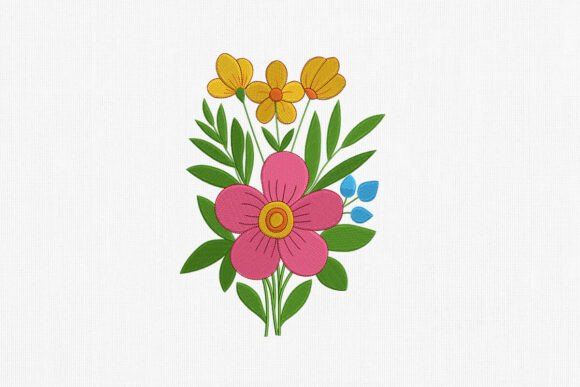
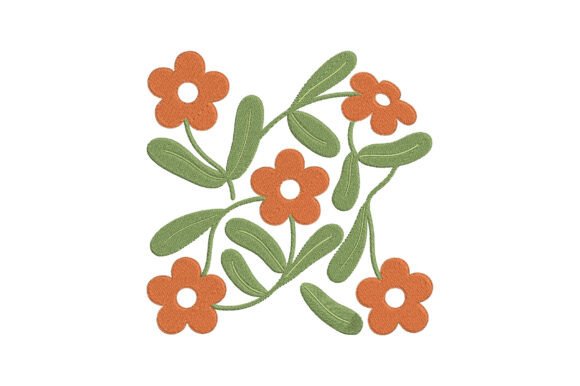
The layout features simple orange flowers paired with soft green leaves, arranged in a way that suggests natural growth rather than rigid geometry. It falls squarely into the Bouquets category, but it avoids the cluttered look of traditional floral arrangements. Instead, it offers a modern, airy aesthetic that works well as a focal point or a subtle accent. The visual personality here is friendly and approachable, making it an ideal choice for handmade products aimed at families, craft enthusiasts, or anyone looking for something that feels warm and inviting.
Real-World Application: From Screen to Stitch
To truly understand the value of this design, I decided to put it through a practical test scenario. Imagine you are an Etsy seller preparing a custom line of tote bags for the upcoming summer season. You need something that stands out in a crowded marketplace but doesn't require hours of tedious stitching. I selected a sturdy canvas tote bag and applied the Orange Flower Embroidery Design to the center panel.
The result was impressive. The satin stitch used for the flower petals held up well against the rough texture of the canvas, creating a smooth, glossy finish that contrasted nicely with the matte fabric. The fill stitch areas were dense enough to cover the background completely without showing any gaps, yet they weren't so thick that they caused the fabric to pucker. When I held the finished product up to the light, the colors popped vibrantly. It looked like a professional, high-end addition to a small shop's inventory. Customers scrolling through listings would likely pause on this item because the embroidery adds a tangible sense of quality and care that printed graphics simply cannot match.
This same design could easily transition to other custom apparel items. Picture a sweatshirt for a local yoga studio or a baby onesie for a new parent. The simplicity of the orange blooms allows the design to remain legible even on smaller surfaces, provided you adjust the hoop size correctly. For a personalized gift, such as a monogrammed apron or a kitchen towel, this design adds a decorative touch without overwhelming the text or the utility of the item. It strikes a balance between being eye-catching and remaining functional.
Navigating Fabric and Surface Challenges
While the Orange Flower Embroidery Design is versatile, every experienced designer knows that not all surfaces are created equal. There are specific scenarios where caution is required to ensure the final output meets your standards. For instance, if you are working with thin, sheer fabrics like chiffon or lightweight silk, the density of the stitches might cause the material to gather or tear. In these cases, using a high-quality cut-away stabilizer is non-negotiable. Without proper support, the weight of the thread can distort the delicate weave of the fabric, ruining the clean lines of the flowers.
Stretchy fabrics present another set of challenges. If you attempt to embroider this design directly onto a stretchy knit t-shirt or a cap without stabilizing it properly, the tension changes during stitching can lead to puckering. The design itself has open spaces between the leaves, which helps, but the anchor points need to be secure. For curved surfaces like caps or hats, the curvature can sometimes flatten the appearance of the flowers slightly. I recommend testing the design on a scrap piece of the same material first to see how the perspective shifts. If the design appears too large for the curve, consider scaling it down slightly before committing to the final garment.
Dark fabrics also require careful consideration regarding thread colors. While the bright orange flowers will show up well against black or navy backgrounds, the green leaves might lose some definition if the thread count is low. It is crucial to check the thread colors included in the file to ensure they offer enough contrast against your chosen fabric. If the greens are too close in tone to the dark background, the design may look flat. In such cases, switching to a slightly lighter shade of green for the leaves can add depth and make the bouquet appear more three-dimensional.
Design Integrity and Visual Appeal
One of the most critical aspects of using digital assets for commercial purposes is maintaining brand consistency. The Orange Flower Embroidery Design contributes positively to a cohesive look because of its clean lines and harmonious color palette. Whether you are creating a series of holiday gifts or a collection of boutique products, this design fits seamlessly into a broader aesthetic. It signals professionalism and attention to detail, which builds trust with your customers.
However, there are limitations to keep in mind. If you are aiming for extremely intricate detailing or tiny lettering alongside the flowers, you might run into issues with resolution. The design is best suited for bold, clear imagery rather than fine, microscopic details. Dense stitch areas can sometimes trap lint or cause the needle to break if the machine speed is too high. Always inspect the small details, particularly the tips of the leaves and the centers of the flowers, to ensure they stitch cleanly. If you notice any skipped stitches during your initial test run, it is often a sign that the stitch density needs adjustment or that the fabric requires a different type of backing.
Practical Notes for the Designer
Before you download this digital embroidery file and start selling your finished goods, there are several steps you should take to guarantee success. First and foremost, always test the design on scrap fabric that matches your final project in both texture and weight. This simple step can save you hours of frustration and wasted materials. Check the stitch density by examining the file structure; if the fill areas seem unusually thick, you may need to reduce the density settings in your embroidery software to prevent bulkiness.
It is also wise to review the design in black and white mockups. Sometimes, colors can deceive us, and a design that looks vibrant in full color might lack contrast when converted to grayscale. This helps you assess whether the shapes are distinct enough to be recognized even if the thread colors change. Additionally, confirm the licensing terms before using the design for commercial projects. Ensure you have the right to sell finished items made with this embroidery design and that you are not violating any restrictions on digital redistribution.
Finally, pay attention to the fabric texture. A design that looks perfect on smooth cotton might behave differently on a textured linen or a fuzzy fleece. Adjust your hoop size and stabilizer choice accordingly to accommodate the unique characteristics of your material. By taking these precautions, you ensure that the Orange Flower Embroidery Design performs exactly as intended, delivering a high-quality finished product that delights your customers and enhances your reputation as a skilled maker.